
Ontario roads are hard on exhaust systems. Winter salt, spring slush, and humid summers create the perfect mix for corrosion. What begins as light surface rust on pipes and clamps can grow into pinholes, leaks, rattles, and a louder ride than you want.
Here is what rust actually does to your exhaust, the warning signs to watch for, and how timely service keeps the system quiet and safe.
Why Exhausts Rust Faster Around the Greater Toronto Area
Road salt and brine stick to metal and hold moisture against it. After a freeze, temperatures rise, the residue stays wet, and oxygen gets to work. Short trips make this worse because water produced during combustion condenses in the muffler and resonator, then never fully evaporates.
Stainless steel resists rust better than mild steel, but it is not immune. Welds, hangers, and flanges are common weak points because dissimilar metals and thin edges corrode first.
What Corrosion Does Inside vs. Outside
On the outside, corrosion thins pipes, loosens clamps, and eats at flange lips until gaskets can no longer seal. Inside the system, condensed water mixes with exhaust byproducts to form acidic moisture. That pool sits at the lowest points in a muffler and quietly attacks from within.
You might see only light orange staining on the shell while a rust line forms along the internal seam. Catalytic converters can also suffer when upstream leaks let outside air in, which raises temperatures and stresses the substrate.
Early Symptoms You Can Catch
Small changes are your best early clues. The tone of the exhaust gets deeper on cold starts, then quiets as it warms. You may smell fumes near the rear of the car after parking, or hear a faint ticking sound that increases in frequency with engine rpm. Clunks over bumps can point to a hanger that has rusted thin.
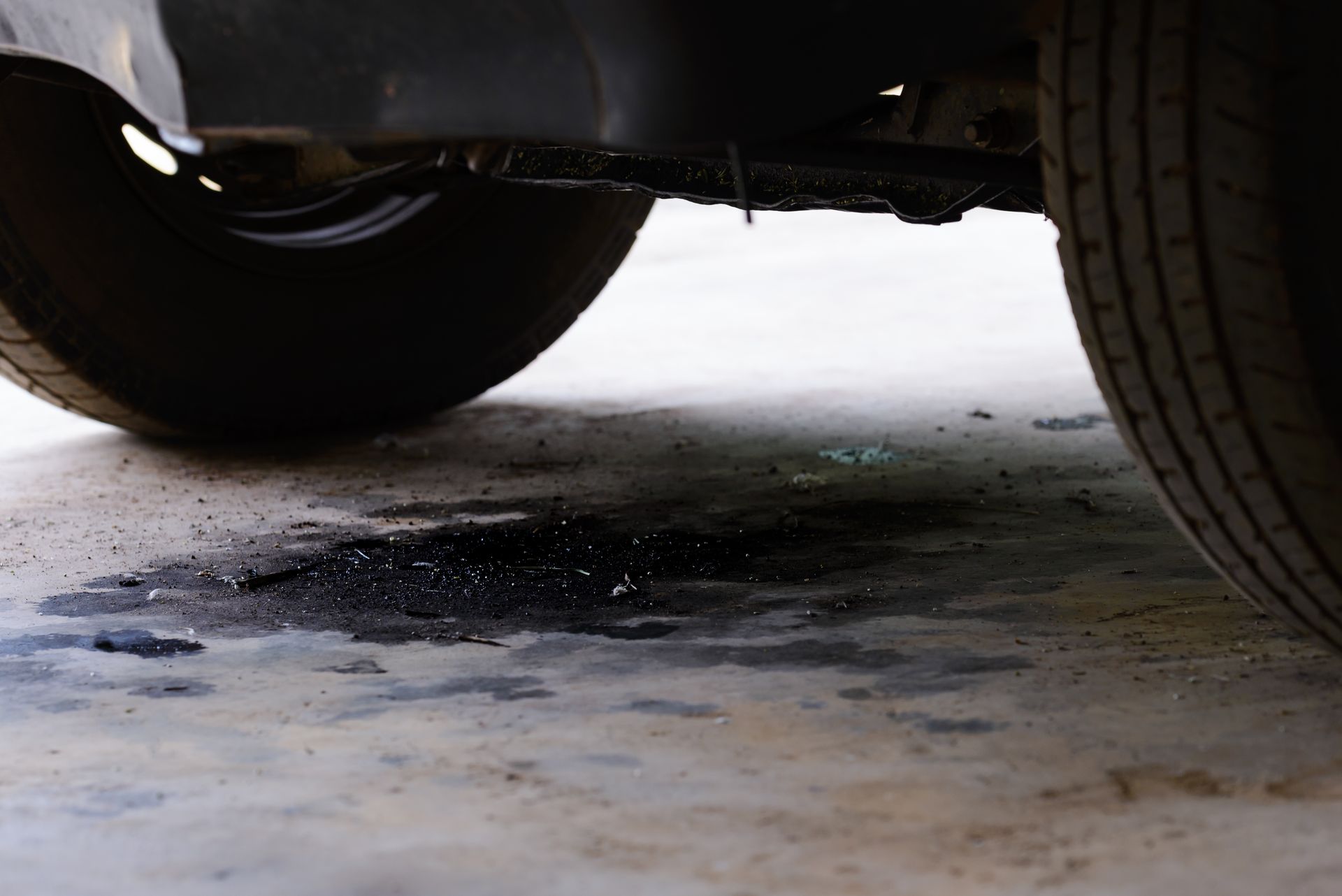
If you see black sooty streaks around a flange or joint, escaping gases are marking the leak for you.
Common Failure Points on Ontario Vehicles
Flange rings at the front pipe and mid-pipe take a beating from spray and heat cycles. They rust thin, then split, which causes a loud leak and a raw exhaust smell. Resonators and mufflers often fail along the lower seam where condensed water collects.
Hangers corrode where the metal rod passes through the rubber insulator, and once they let go, the extra movement cracks nearby joints. Flex pipes near the front can fray when salt and grit pack the braid, leading to a buzzy rattle and a leak under load.
Repairs That Last, Not Just Patch and Pray
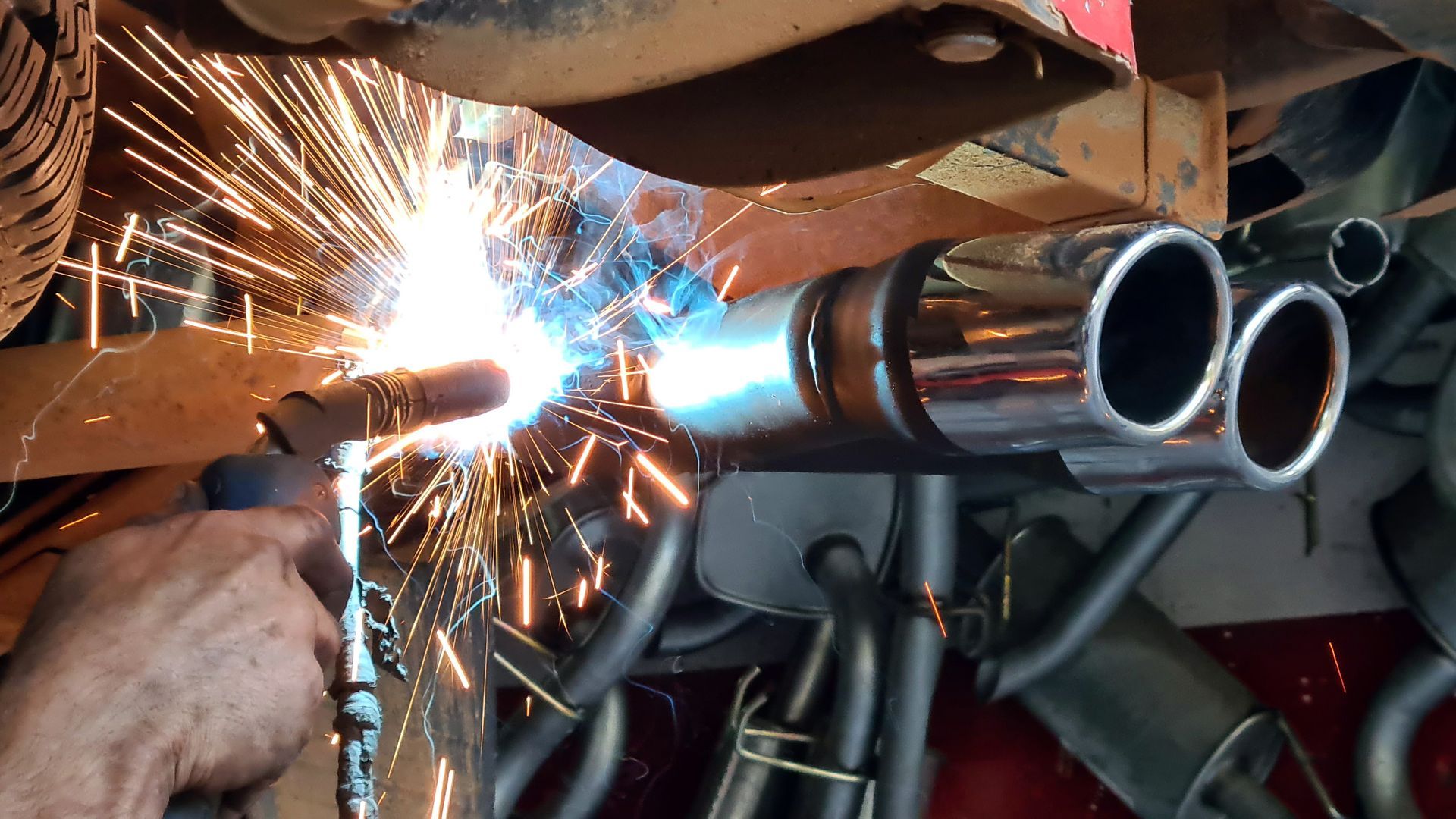
The right fix depends on where the rust lives. Small leaks at a joint can be solved with new gaskets and hardware if the sealing surfaces are still solid. Flange edges that have thinned are better replaced with a proper repair sleeve or a new section rather than stacked clamps.
When a muffler or resonator rusts from the inside, replacement is the reliable choice. For vehicles that plan to stay on the road for years, upgrading rust-prone sections to higher-grade stainless can pay off by avoiding yearly patchwork.
Preventive Habits That Slow Corrosion
You cannot avoid the weather, but you can reduce exposure. Rinse the underbody during winter thaws to wash salt off brackets, flanges, and hangers. After short trips, give the car an occasional longer drive so moisture in the system can evaporate. Park on a slight incline when possible so condensed water drains toward the tail section rather than pooling in the muffler.
During service, ask for a quick check of exhaust hangers and heat shields; securing a loose part now prevents cracks later.
When Exhaust Rust Becomes a Safety Issue
Exhaust leaks near the cabin floor or under the rear seats can let fumes collect, especially with windows closed on cold days. A loud exhaust also masks other sounds you rely on, like brake or wheel bearing noises.
If you smell exhaust in the cabin, hear a sharp ticking under the floor, or notice the system hanging lower than normal, move the inspection to the top of your list.
Quiet, Sealed Exhaust with MechaniQ in Oakville and Mississauga
If your exhaust has grown louder, developed a rattle, or leaves sooty marks at the joints, we can help. Our technicians inspect flanges, hangers, flex pipes, and mufflers, then recommend durable fixes that match your plans for the vehicle, from proper sleeves and hardware to stainless replacements where they make sense.
Schedule a visit with
MechaniQ in Oakville or Mississauga, Ontario, and drive away with a quiet, sealed system that stands up to salt, slush, and the seasons ahead.