
A louder exhaust almost always means something changed in how gases are being contained, routed, or muffled. Exhaust systems are built to seal high-pressure pulses and reduce sound through resonators and mufflers. When a leak opens up, a hanger breaks, or an internal baffle fails, the system stops doing that job, and the noise level climbs.
In most cases, the cause is mechanical and visible once the vehicle is inspected.
Exhaust Leaks At Joints, Flanges, And Gaskets
One of the most common causes of a sudden increase in exhaust volume is a joint leak. Exhaust connections rely on gaskets, clamps, and flanges that go through constant heat cycles. Over time, gaskets can shrink or crack, bolts can loosen or snap, and clamps can rust through. The leak lets pressure escape early, which makes the exhaust sharper and louder.
Leaks near the engine tend to sound more like a ticking, tapping, or puffing noise, especially on a cold start. Leaks farther back usually sound deeper and more like a steady roar. The location changes the character of the sound, so even the tone helps point to where the leak is.
Cracked Pipes And Rust-Through Spots
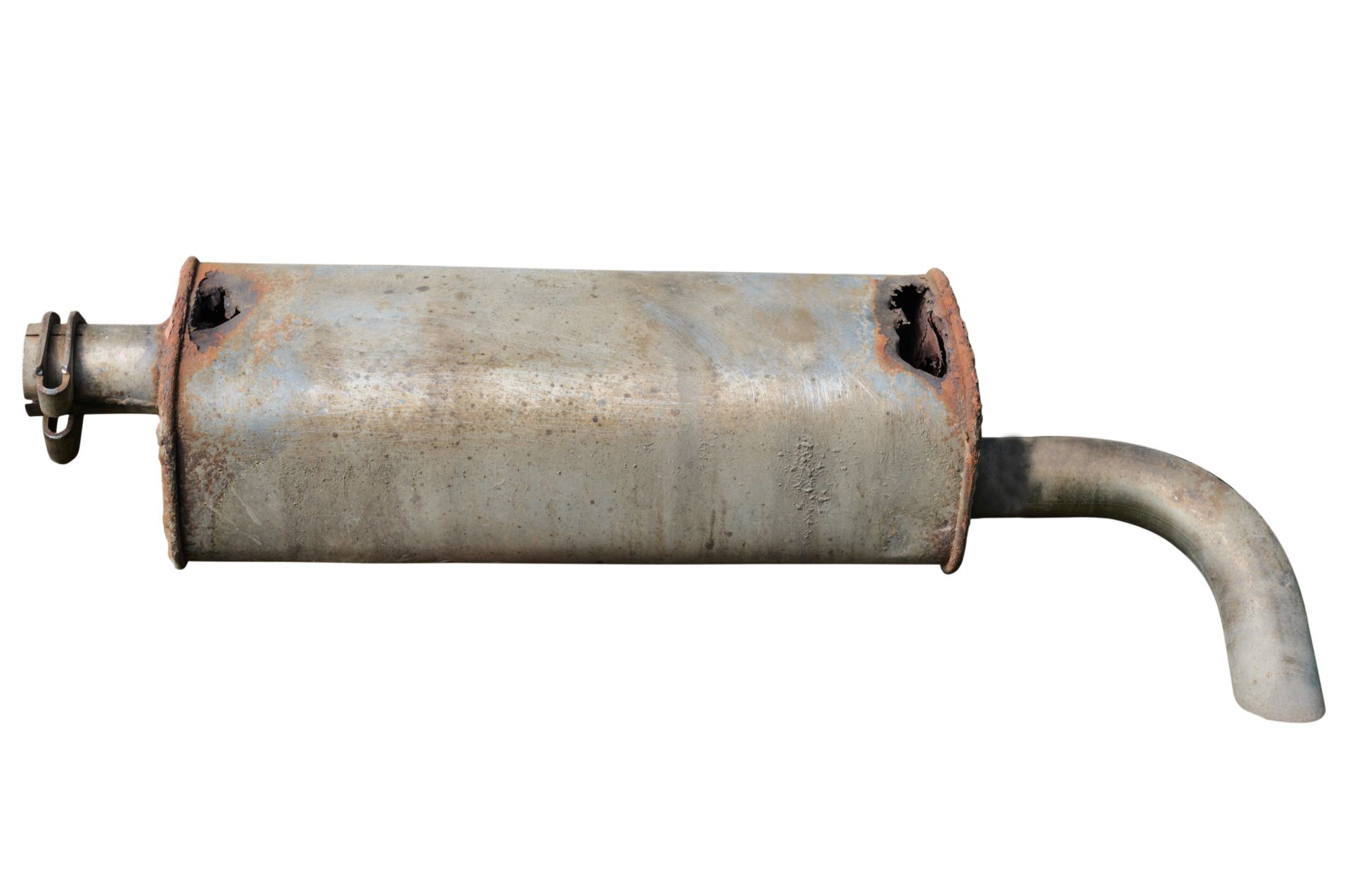
In regions with road salt or frequent moisture, rust is a major factor. Exhaust pipe walls get thin, then a small pinhole turns into a larger opening. You may not notice much at idle, then hear it clearly under acceleration when the flow increases. A cracked pipe can also create a raspy note that wasn’t there before.
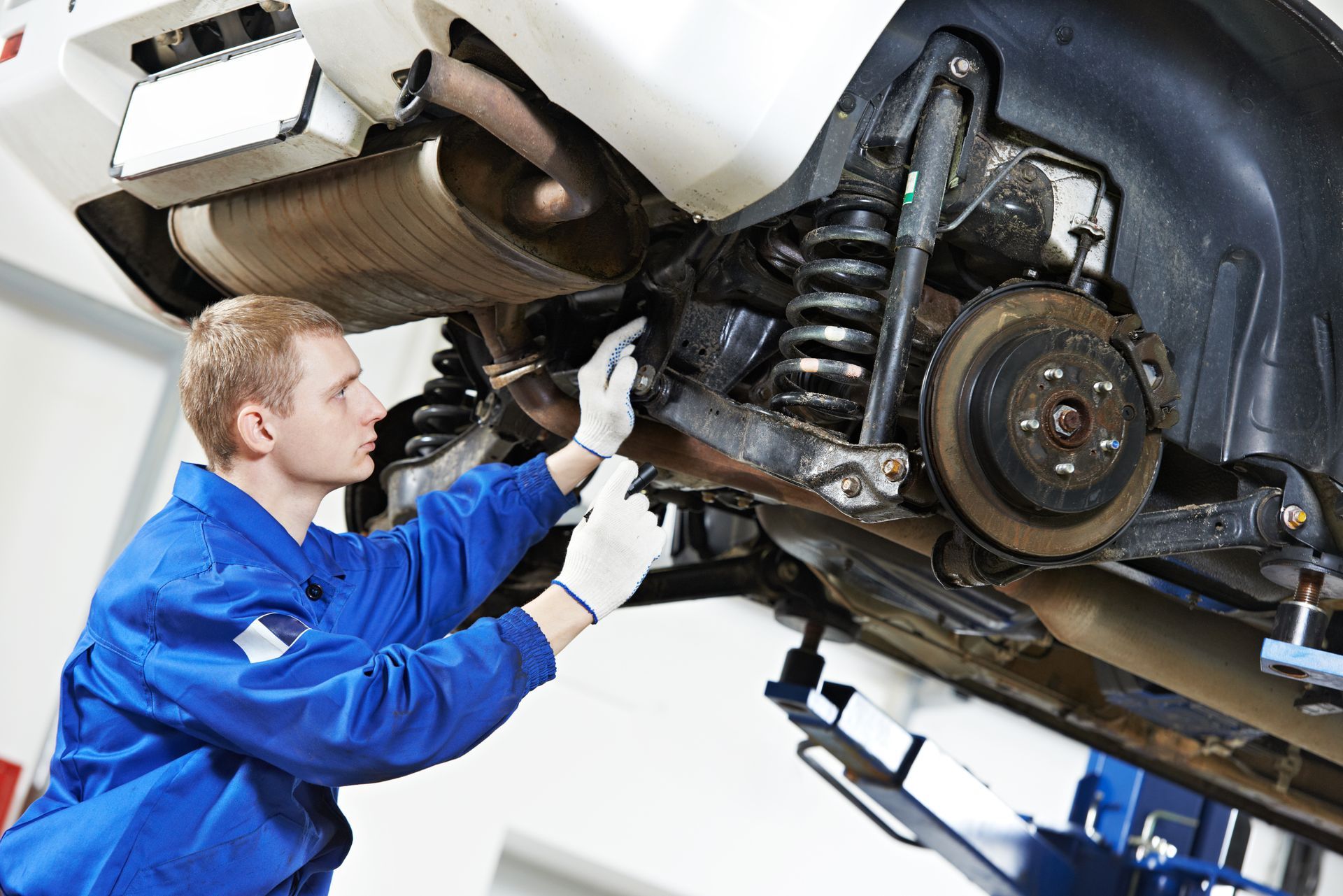
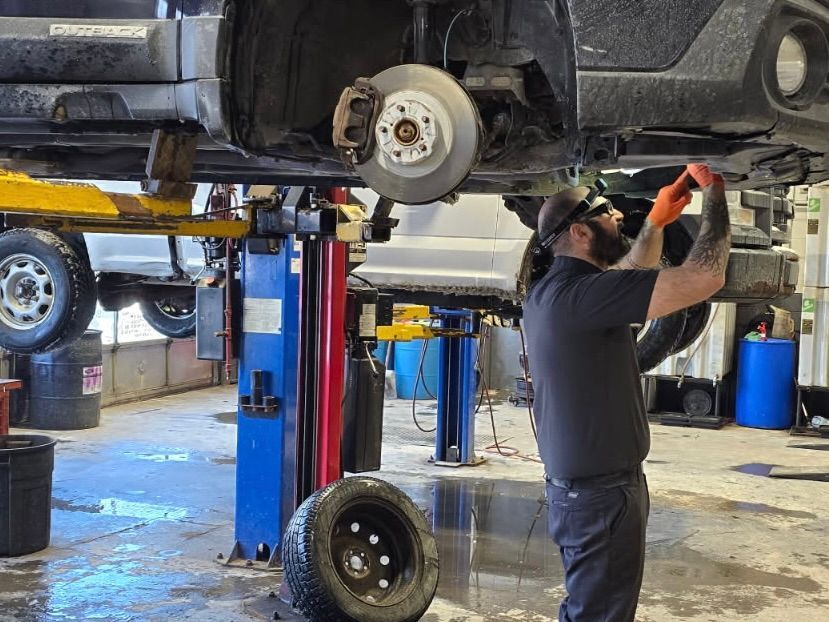
Rust shows up mostly around welds, bends, and low points where moisture collects. Heat shields can hide the damage, so the system can look okay at a glance. Once it’s on a lift, the weak spot is usually obvious. If you’re smelling exhaust more than normal, that supports the leak theory and should be checked quickly.
Muffler Or Resonator Internal Failure
Mufflers and resonators reduce noise by forcing exhaust through chambers and baffles. When those internal parts break, the exhaust can get louder without an external hole. This is common on higher-mileage vehicles where corrosion has weakened the internals. A muffler with broken baffles may also rattle when you tap it or when the engine idles.
This type of failure often produces a deeper, booming sound and sometimes a metallic flutter. The system may still be sealed, so you won’t necessarily smell fumes, but the sound will be noticeably different. Replacement is usually the real fix here because internal structures don’t get repaired in a lasting way.
Exhaust Hangers And Mounts Let The System Shift
The exhaust is suspended under the vehicle with hangers and rubber mounts. When a hanger breaks or a mount tears, the system can sag and contact the body or crossmembers. That can amplify noise and add a vibration or thump you feel in the cabin. It can also stress joints, which can create new leaks.
A loose exhaust can shift enough to make it sound louder inside the car, even if the system is only slightly damaged. You might hear it most over bumps or when shifting from park to drive. This category is often overlooked because people focus on leaks, but mounting problems can create noise complaints on their own.
Catalytic Converter Damage Or Restrictions
A damaged catalytic converter can change the exhaust tone, especially if the internal honeycomb breaks apart. Sometimes that creates a rattle, and sometimes it changes flow and sound. Restrictions can also make the engine work harder and create a strained sound under load. If you notice power loss, a rotten-egg odor, or a check engine light along with a louder exhaust, the converter needs to be part of the inspection.
That said, many loud exhaust complaints have nothing to do with the converter. The key is whether the noise is paired with performance changes. If the car drives normally and the sound is simply louder, leaks and muffler failures are more likely.
Common Repairs That Usually Fix A Loud Exhaust
Once the source is confirmed, repairs tend to be straightforward. The right fix depends on where the failure is and how much corrosion is present. Here are common solutions that actually solve the problem, rather than masking it:
- Replacing a failed gasket or repairing a leaking flange connection
- Welding or replacing a rusted or cracked section of pipe
- Replacing a muffler or resonator with internal failure
- Replacing broken hangers or mounts to stop movement and vibration
When A Loud Exhaust Becomes Dangerous
Exhaust leaks can allow fumes to enter the cabin, especially if the leak is forward in the system. That is not something to ignore. Noise can also be a sign that heat is being released in the wrong place, which can affect wiring, underbody components, and nearby plastics. If you smell exhaust inside the vehicle, feel lightheaded, or notice the noise suddenly becoming much harsher, the vehicle should be checked promptly.
A proper inspection usually finds the issue quickly. Most of the time, it’s a leak, a failed muffler, or a mounting problem. The sooner it’s confirmed, the simpler the repair tends to be.
Get Exhaust Repair In Oakville And Mississauga, ON With MechaniQ
Our technicians can locate where the exhaust is leaking or failing, explain what changed, and repair it with a fix that restores proper sealing and sound control. We’ll also check the mounts and surrounding components so the repair holds up.
Book an inspection with
MechaniQ in Mississauga, ON, and get the noise back under control.