
A ticking noise at idle can be maddening because it’s easiest to hear when you’re stopped, yet it’s hardest to pinpoint from the driver’s seat. Some ticks are harmless background sounds you only notice once you start listening for them. Others are early clues that something is wearing, leaking, or running a little too dry.
The trick is figuring out which kind you have.
What A Ticking Noise At Idle Usually Sounds Like
A true tick is usually a fast, light tap that follows engine speed, even if you barely touch the throttle. It can sound sharper with the hood open, then quieter from inside the cabin. If it’s steady and rhythmic, that often points toward something mechanical repeating in time with the engine.
If the sound is more of a random rattle or a loose buzzing, it may be a heat shield or a bracket vibrating. That difference matters because the fix can go from simple tightening to deeper engine work depending on the character of the noise.
Ticking From The Top End Vs The Front Of The Engine
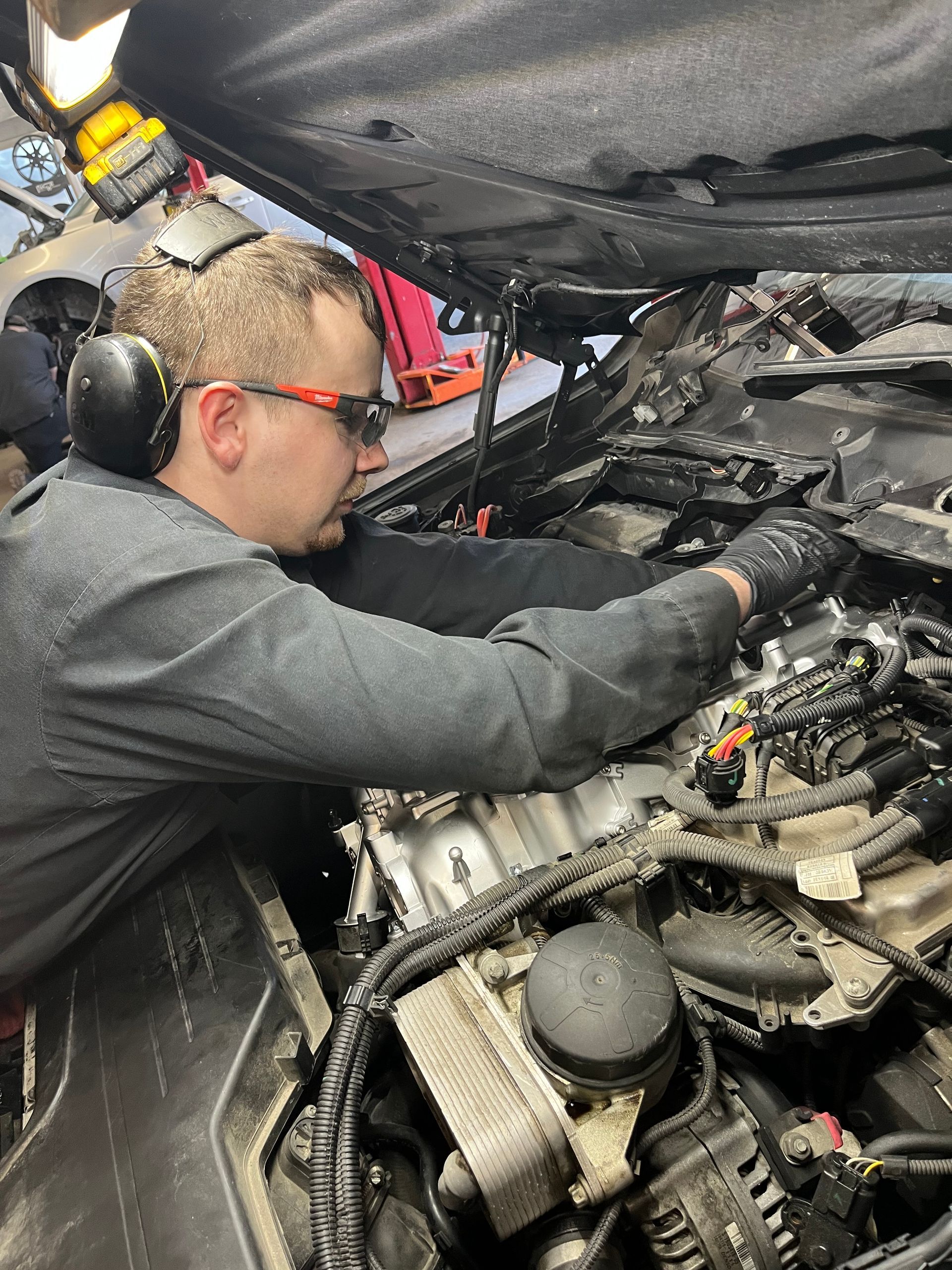
Ticking that seems to come from the top of the engine often involves valvetrain components, like lifters or rocker areas, especially when oil flow is slow at idle. It can also be amplified by a plastic engine cover or intake parts that echo sound. Some engines naturally have more top-end clicking than others, so the change over time is the important part.
Noise from the front of the engine can be belt-drive related, like a pulley bearing starting to complain or a tensioner that’s not happy. If you’re trying to narrow it down, these patterns help:
- Louder near the valve cover area: often top-end or injector-related
- Louder near the belt area: often pulley or tensioner-related
- Loudest on cold start, then fades: often oil flow or minor exhaust leak behavior
- Loudest when warm and idling: often heat shield vibration or a bearing that’s heating up
None of these are guarantees, but they steer the next checks in a smarter direction.
Low Oil Level And Oil Condition Clues
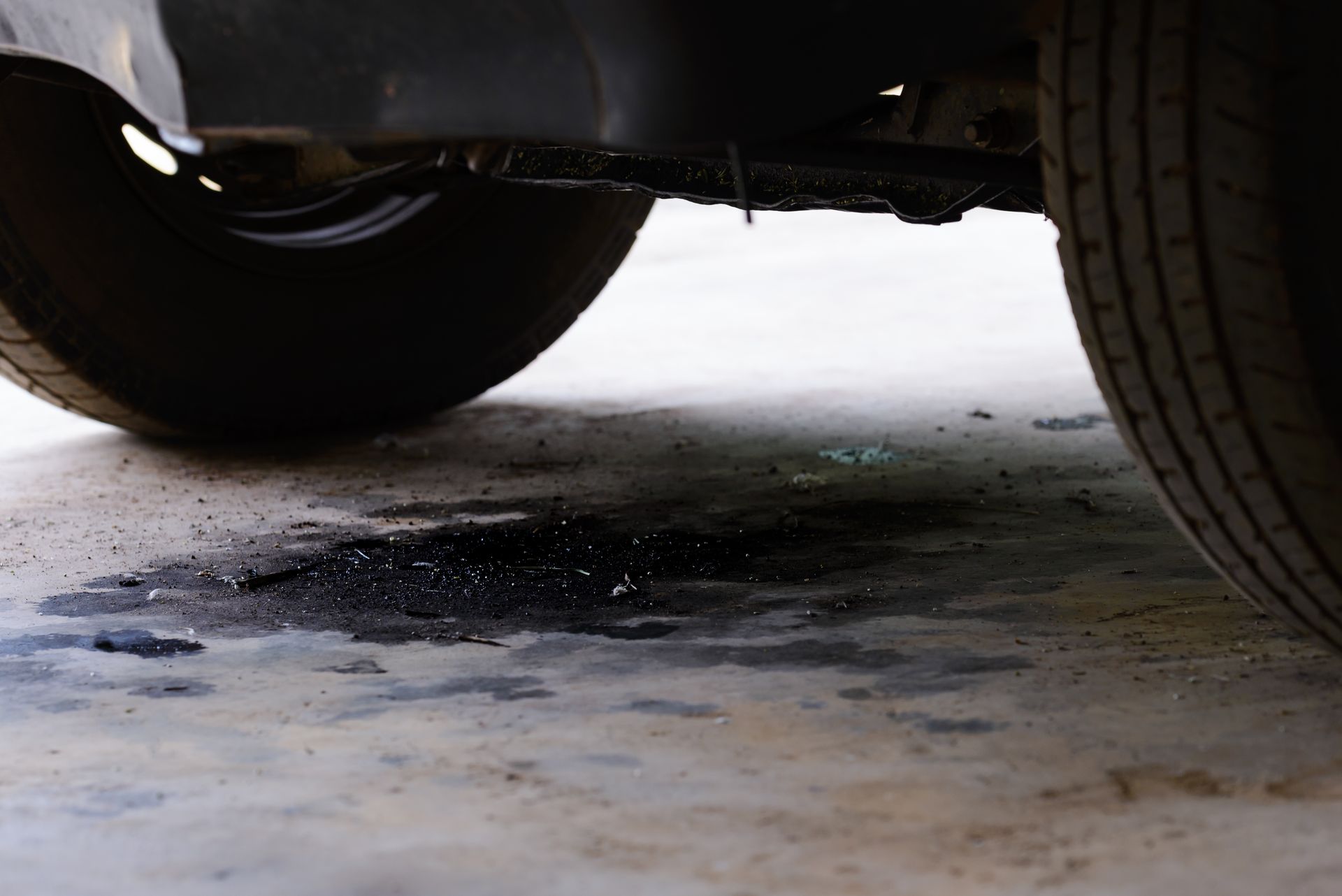
Low oil is one of the first things to rule out because it can make normal engine sounds seem louder and sharper. Even being a bit low can reduce cushioning in high-contact areas, and that can show up as ticking at idle. Checking the level on flat ground takes a minute and can prevent a lot of unnecessary worry.
Oil condition matters, too, especially if the interval has been stretched or the car sees lots of short trips. This is where regular maintenance pays off because fresh oil and the correct viscosity help the engine stay quieter and better protected. If the ticking appeared right before your next scheduled service, that timing is worth noting.
Exhaust Leaks And Heat Shields That Mimic Ticking
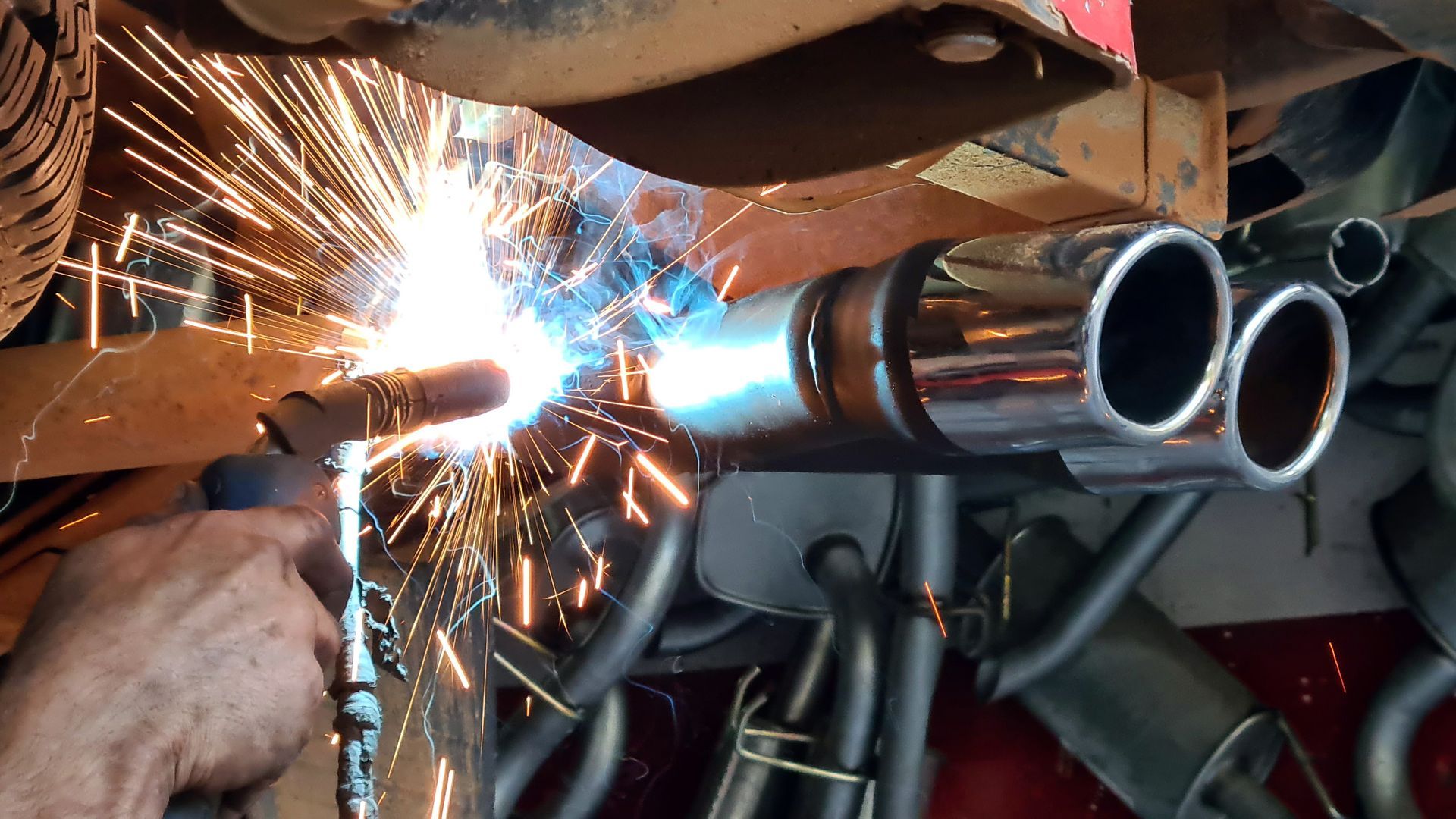
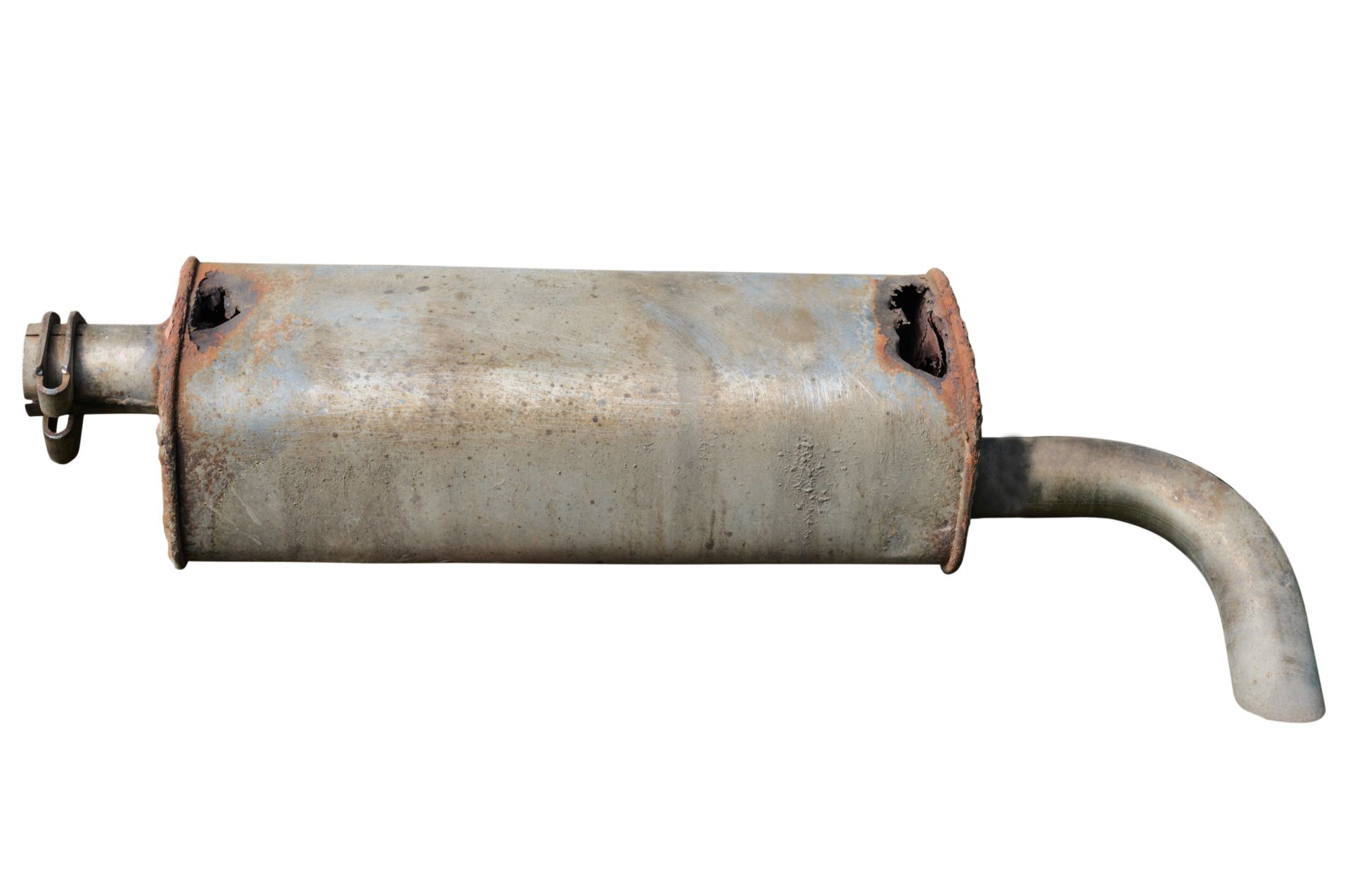
A small exhaust leak near the manifold area can sound like a tick, especially on cold starts. As metal warms up, gaps can expand or seal slightly, which is why the sound may fade as the engine reaches temperature. You might also notice a faint exhaust smell under the hood or near the front of the car after parking.
Heat shields are another classic. A loose shield can buzz or tick at a certain idle vibration frequency, then go quiet if you raise RPM slightly. It can feel like an engine issue when it’s really thin metal tapping against another surface.
Fuel Injectors, EVAP, And Other Normal Clicks
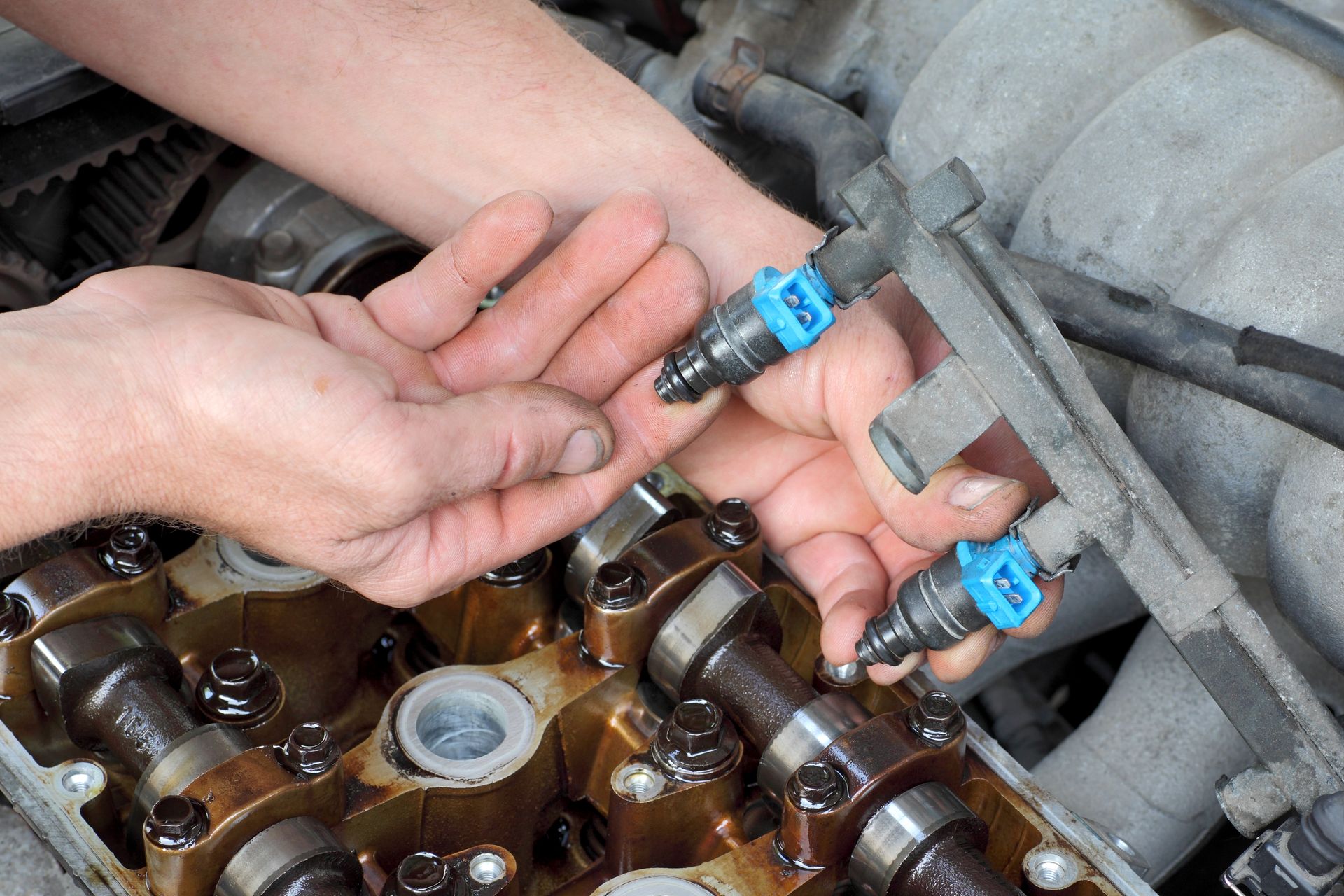
Some ticking is simply normal operation. Many fuel injectors make a consistent clicking sound, especially on direct injection engines, and it can be more noticeable at idle when everything else is quiet. EVAP purge valves can also click intermittently, which can sound random if you don’t know what you’re hearing.
The difference is consistency and change. If the clicking has always been there and the car runs well, it may just be normal. If the sound is new, louder than before, or paired with rough running, it deserves a closer look.
When Ticking Means It’s Time To Stop Driving
Most ticking noises are not an instant emergency, but a few signs should change your plan for the day. If the ticking suddenly becomes a loud knock, if the oil pressure warning comes on, or if you notice misfire-like shaking along with the sound, it’s smarter to stop and get help rather than pushing through traffic.
Also be cautious if the tick gets dramatically louder at light throttle, or if it emits a burning smell or smoke after parking. Those combinations can point to low oil, a leak hitting a hot surface, or a worsening belt-drive issue. Catching it early usually keeps the fix simpler.
Get Engine Noise Inspection In Oakville & Mississauga, ON, With MechaniQ
MechaniQ in Oakville & Mississauga, ON, can pinpoint where the ticking is coming from and explain what it will take to fix it.
Book a visit when you’re ready to get a clear answer.