
Your fuel system has to deliver the right amount of fuel at the right pressure every time the engine starts, idles, accelerates, or climbs a hill. When that process starts breaking down, the symptoms can be subtle at first. A slight hesitation, longer crank time, or rough idle may be the first clue that something isn't working correctly.
Fuel injectors get much of the attention, but they are only one part of the system. Fuel pumps, pressure regulators, sensors, wiring, and fuel delivery components can create many of the same complaints. That is why we diagnose the complete system before recommending injector cleaning or replacement.
1. The Engine Has Developed a Rough or Uneven Idle
A dirty or restricted fuel injector can deliver less fuel to one cylinder than the others. The engine may shake at a stoplight, idle unevenly, or feel like it wants to stall even though it runs better once RPM increases.
At our shop, we look at misfire counts, fuel trim data, and cylinder performance before blaming an injector. Worn spark plugs, weak ignition coils, vacuum leaks, and compression problems can all create a similar rough idle. The goal is to determine whether the cylinder is missing fuel or whether something else is preventing it from burning correctly.
2. The Car Hesitates or Loses Power During Acceleration
Fuel demand rises quickly when you press the accelerator. If the pump cannot maintain pressure or an injector is partially clogged, the engine can hesitate just when you ask it to make more power.
You might notice a flat spot pulling away from a stop, a stumble while merging, or weak acceleration during a hill climb. A vehicle that feels acceptable during light cruising but falls flat under load gives us a useful clue. We compare fuel pressure and engine data under the conditions where the problem actually happens instead of checking everything only at idle.
3. The Engine Takes Longer to Start Than It Used To
A healthy fuel system should build the pressure needed for startup quickly. If pressure bleeds off while the vehicle sits, the engine may crank for several extra seconds or require a second attempt before it starts.
Possible causes include a weak fuel pump, leaking injector, pressure control problem, or another issue that allows pressure to drop after shutdown. Hard starting after sitting overnight can point us in a different direction than difficult hot restarting after a short stop. During an inspection, those timing details help us decide which tests to perform first.
4. The Check Engine Light Keeps Returning With Misfire or Fuel Mixture Faults
The engine computer constantly watches combustion and fuel mixture. When one or more cylinders are not contributing correctly, it can store misfire codes. It can also set lean or rich mixture faults when fuel delivery no longer matches what the computer expects.
A fault code does not automatically identify a bad injector. For example, a lean code can come from low fuel pressure, an intake air leak, or inaccurate sensor information. We use the code to guide testing, then confirm the cause with live data, electrical checks, fuel pressure measurements, or other diagnostic steps before replacing parts.
5. Fuel Economy Drops, or You Smell Raw Fuel
A leaking injector can deliver fuel when it should be closed, creating a rich mixture and wasting fuel. You may notice worse mileage, rough starting, dark exhaust, or a strong gasoline smell around the vehicle or from the tailpipe.
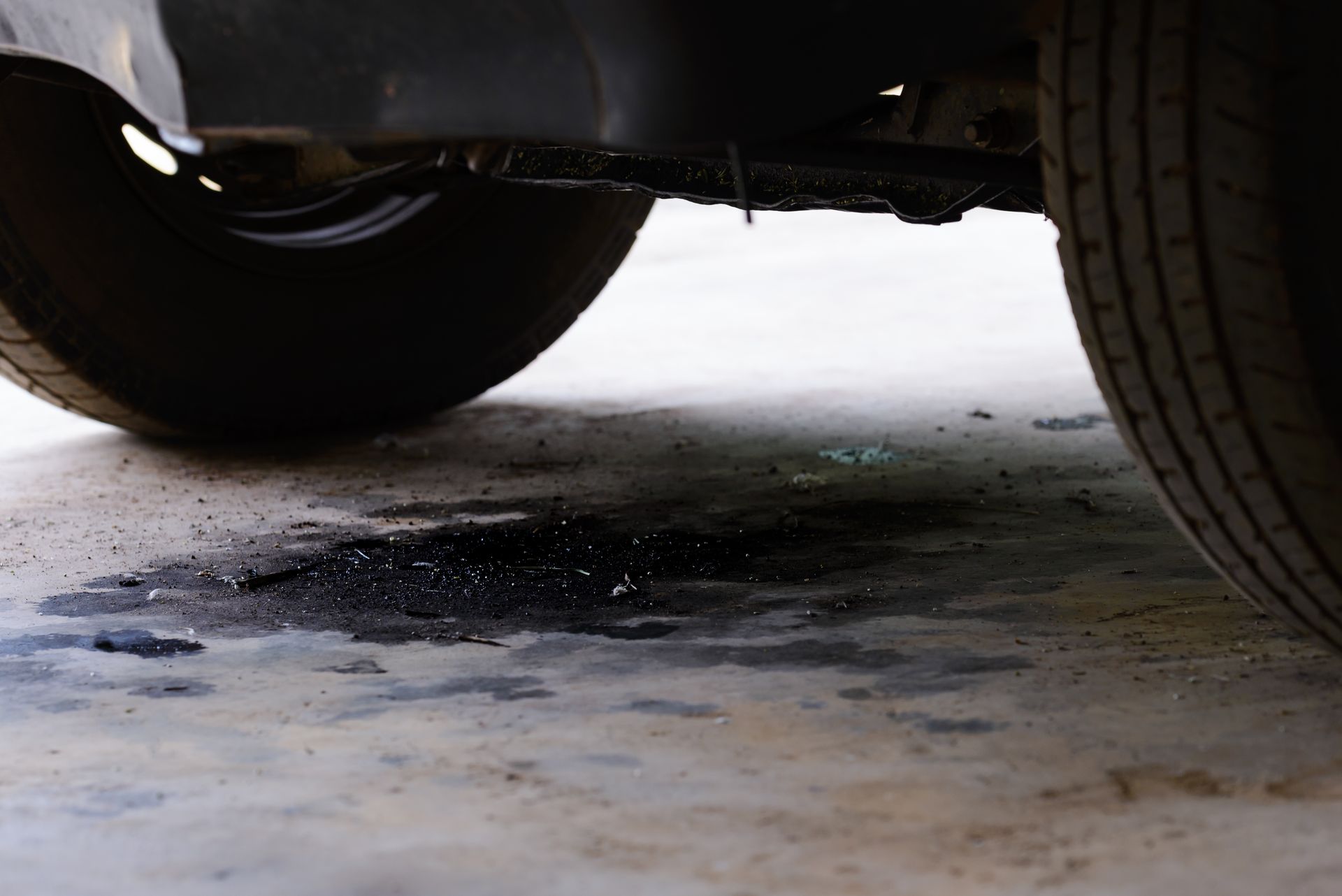
Fuel smell deserves prompt attention because an external leak can create a fire risk. If you see wet fuel around the engine or underneath the car, stop driving and have the vehicle checked. An internal injector leak is different, but it can still wash oil from the cylinder walls, foul spark plugs, and damage the catalytic converter if it continues long enough.
Injector Cleaning Is Not the Answer to Every Fuel Problem
Professional injector cleaning can help when deposits are restricting an injector that is otherwise mechanically and electrically healthy. It cannot repair a failed injector coil, damaged internal valve, leaking injector, or weak fuel pump.
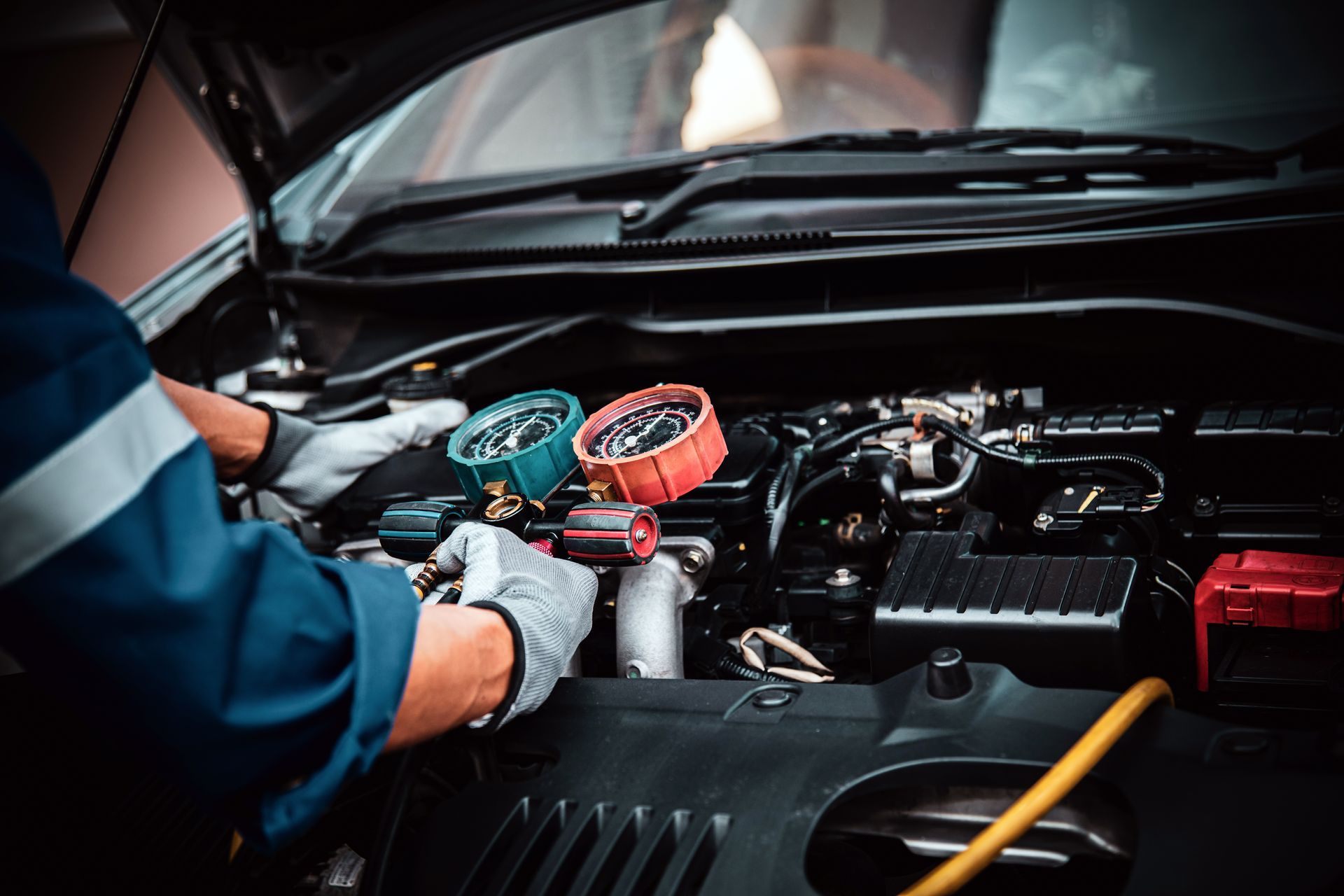
We test first because fuel-system parts can be expensive and several failures produce nearly identical symptoms. Depending on the vehicle, diagnosis can include fuel pressure testing, injector balance testing, electrical checks, scan data, and examination of spark plug condition. Regular maintenance also helps us catch developing drivability changes before they become severe.
Get Fuel System Service In Oakville and Mississauga, Ontario, With MechaniQ
If your vehicle has a rough idle, hesitation, hard starting, recurring fuel-related fault codes, or a noticeable drop in fuel economy, MechaniQ can diagnose the fuel system at its Oakville and Mississauga, Ontario locations.