
An engine oil leak can begin as a small damp area and develop into a serious mechanical concern. Oil lubricates bearings, pistons, camshafts, timing components, and other moving parts. When the level drops too far, friction and heat rise quickly, placing the engine at risk of severe internal damage.
The source is not always directly above the spot on the ground. Oil can travel across engine covers, subframes, splash shields, and other components before dripping. Airflow beneath the vehicle may spread it even farther while driving. Finding the true source requires cleaning affected areas and tracing the leak from its highest point.
Valve Cover Gasket Leaks
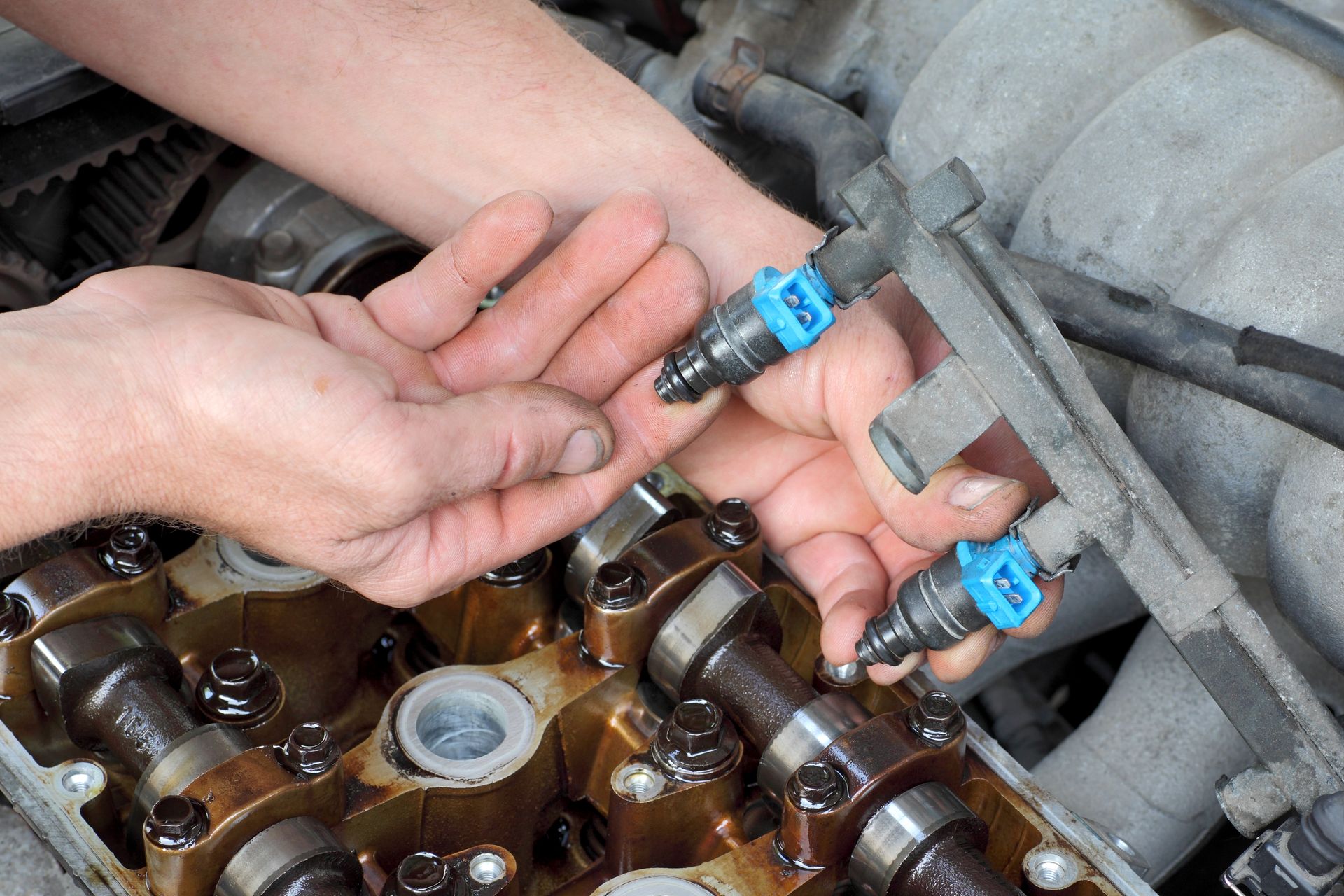
The valve cover seals the top of the cylinder head and keeps oil around the valvetrain. Its gasket experiences years of heat cycles, vibration, and exposure to engine oil. Rubber can harden, shrink, or crack, allowing oil to seep around the cover.
A valve cover leak may leave wet residue along the upper edge of the engine. Oil can run onto the exhaust manifold, producing a burning odor or light smoke from under the hood. On some engines, it can also enter spark plug wells and contribute to ignition problems.
Replacing the gasket may require more than installing a new rubber seal. The cover should be checked for cracks, warping, damaged fastener points, or a failed crankcase ventilation connection. Tightening the bolts excessively can distort the cover and create another leak.
Oil Pan And Drain Plug Problems
The oil pan is mounted at the bottom of the engine and holds much of the engine’s oil supply. Its gasket or sealant can deteriorate, while the pan itself may be damaged by road debris, corrosion, or contact with a curb.
Oil pan leaks often leave residue across the lower engine and underbody. Since the pan sits low, oil may drip directly onto the ground after the vehicle is parked. Some pans are difficult to remove because suspension parts, exhaust components, or a subframe block access.
The drain plug can leak when its sealing washer is worn, the plug is loose, or the threads have been damaged. A leaking oil filter, incorrectly installed filter seal, or damaged filter housing can create a similar pattern after an oil change. These areas should be checked before assuming the oil pan gasket has failed.
Crankshaft And Camshaft Seals
Rotating shafts must pass through the engine housing while keeping oil inside. Crankshaft and camshaft seals fit around these shafts and maintain a seal as they turn. Age, heat, crankcase pressure, surface wear, or improper installation can cause leakage.
A front crankshaft seal may spread oil behind the crankshaft pulley and across the lower front of the engine. A rear main seal leak appears between the engine and transmission, though oil from higher areas can run down and make that location look responsible.
Camshaft seal leaks may contaminate a timing belt. Oil weakens the belt material and can increase the risk of premature failure. When leakage is found inside a timing cover, the belt, tensioners, pulleys, and related seals should be evaluated before repairs are approved.
Oil Filter Housings And Cooler Seals
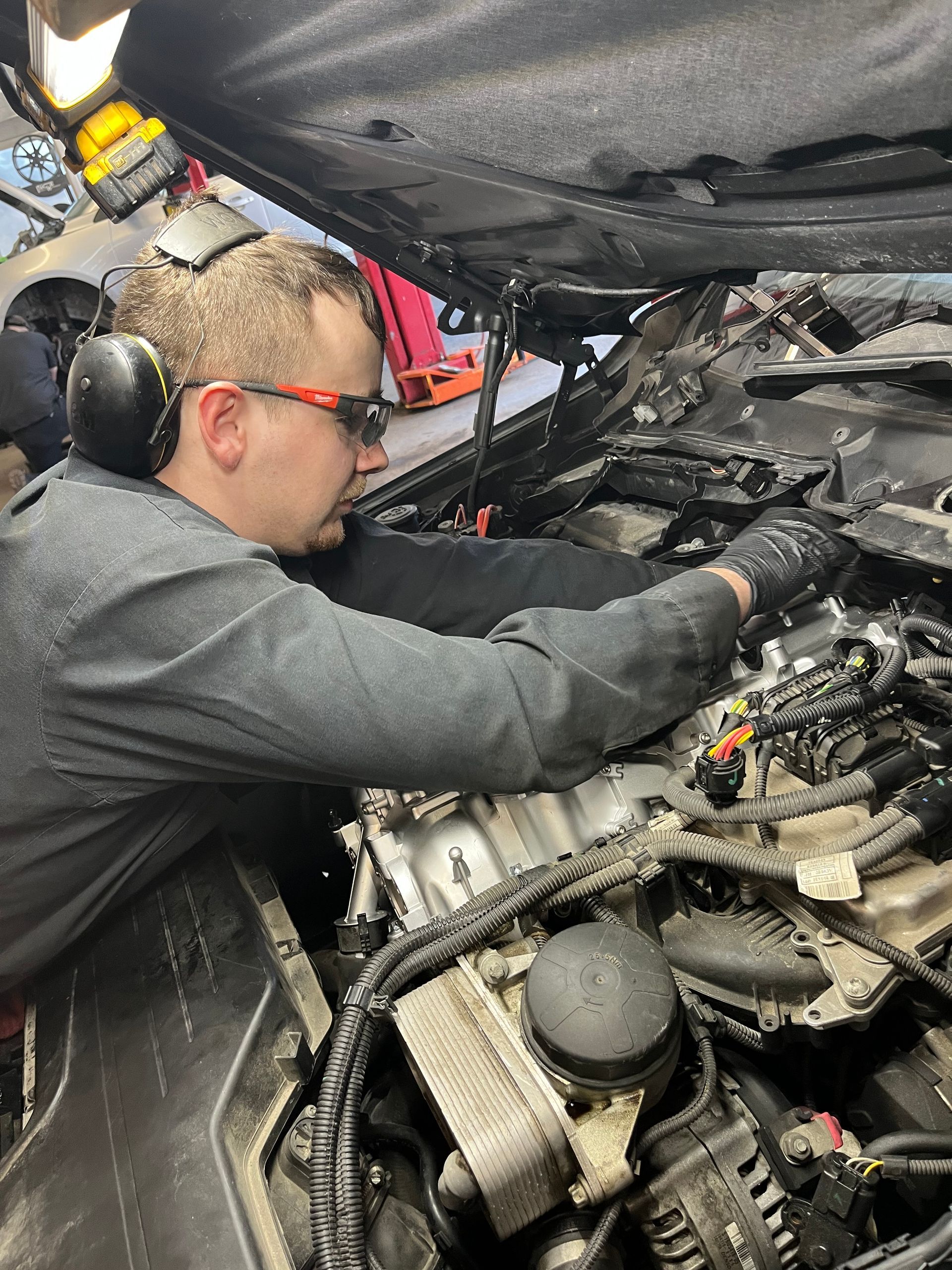
Many modern engines use cartridge-style oil filters mounted inside plastic or aluminum housings. These assemblies may contain gaskets, O-rings, oil pressure switches, and oil cooler connections. Heat can harden the seals or crack plastic components.
A leaking oil filter housing can release oil high on the engine, where it travels across several surfaces before reaching the ground. Depending on the design, oil may contaminate drive belts, coolant hoses, engine mounts, wiring, or the transmission housing.
Oil coolers can leak externally or allow oil and coolant to mix internally. Warning signs can include oil residue near the cooler, coolant contamination, rising oil consumption, or an unexplained change in fluid level. The exact failure must be identified before replacing parts.
Excessive Crankcase Pressure
Engines produce small amounts of combustion gas that pass the piston rings and enter the crankcase. The positive crankcase ventilation system routes these gases back into the intake. When a valve, hose, separator, or passage becomes restricted, pressure can build inside the engine.
Excess pressure can force oil past otherwise serviceable gaskets and seals. Replacing one leaking seal without checking the ventilation system may lead to another leak soon afterward.
Engine wear can also increase crankcase pressure. Testing may include checking ventilation flow, inspecting hoses, measuring pressure, and evaluating engine condition. The repair should address the reason oil is escaping rather than focusing only on the wettest component.
How Serious Is The Leak?
The severity depends on leak rate, oil level, location, and which parts are being contaminated. A slow seep may allow time to plan a repair, while active dripping requires faster attention.
Stop driving and shut off the engine when:
- The oil-pressure warning light remains on
- Oil pours or drips rapidly beneath the vehicle
- Heavy smoke comes from the engine compartment
- The engine develops loud knocking or ticking
- Oil has reached a hot exhaust component
- The dipstick shows little or no oil
A small leak can still damage belts, rubber mounts, electrical connectors, and cooling hoses. Oil reaching the road can also reduce tire traction and create an environmental concern.
How Technicians Locate Engine Oil Leaks
Testing starts by confirming the fluid type and checking the engine oil level. Transmission fluid, power steering fluid, and other automotive fluids can be mistaken for engine oil after collecting dirt.
The engine may be cleaned so fresh leakage can be traced accurately. In difficult cases, technicians may add an approved fluorescent dye, run the engine, and use ultraviolet light to locate the source. Crankcase pressure testing may be necessary when several seals are leaking.
An inspection also covers the oil filter, drain plug, ventilation system, engine covers, and components affected by contamination. Regular maintenance helps reveal minor seepage before it becomes a rapid leak or dangerously lowers the oil level.
Get Engine Oil Leak Repair In Oakville And Mississauga, ON, With MechaniQ
MechaniQ serves drivers in Oakville and Mississauga, Ontario. Our technicians can identify the source of an engine oil leak, assess related damage, and explain which repairs should be handled first.