
The first freezing morning arrives, and the car that started yesterday suddenly struggles. Maybe the engine turns slowly. Maybe you hear clicking and watch the dashboard lights fade. It's easy to blame the overnight temperature, but cold weather often exposes a weakness that was already developing in the battery or starting system.
Around Oakville and Mississauga, a dependable morning start depends on more than battery age. Charge level, electrical connections, driving habits, and the condition of the starter all contribute. Understanding these factors helps you avoid replacing a battery when it isn't the only reason the car won't start.
Cold Weather Reduces Available Battery Power
A conventional starting battery produces electricity through chemical reactions. Those reactions slow as the battery gets colder, reducing the power it can deliver. At the same time, a cold engine can need more effort to turn because its oil and other components offer greater resistance before warming up.
A healthy, properly charged battery is designed to handle cold starts within its intended operating conditions. An aging or partly discharged battery has less reserve. That is why a vehicle can appear fine during mild weather and then fail when temperatures drop. Morning temperature changes shift demand and expose the remaining margin.
Summer Heat Can Leave A Battery Weaker By Winter
Battery wear doesn't begin with the first frost. Heat can accelerate deterioration inside a lead-acid battery, while repeated discharge and ordinary aging gradually reduce its performance. The effects may go unnoticed because starting an engine in warmer weather is easier than starting it during a freeze.
Think back to changes over the last few months. Has cranking become slightly slower? Has the car needed a jump after sitting? Those observations are useful even if they happened before winter. A battery's calendar age gives context, but its measured condition is a better basis for deciding whether replacement is needed.
Short Trips Can Leave The Car Battery Undercharged
Starting uses stored energy. Driving gives the charging system a chance to recharge it, but repeated short trips may not fully charge the battery. Heated seats, defrosters, lights, and other electrical loads can add to the demand during Ontario's colder months, particularly when most trips are brief.
A car that sits for days also continues using some electricity for alarms, memory, and other systems. Normal standby use, a weak battery, and an unwanted electrical drain are different situations. If the car repeatedly needs help after parking, testing should consider how long it sits and whether its systems enter the expected low-power state.
Battery Connections Can Interrupt A Strong Start
The battery can have useful capacity and still struggle to send power through a poor connection. Corrosion, a loose terminal, or a damaged ground connection can create resistance. Under the heavy electrical demand of cranking, that resistance can cause a substantial voltage loss between the battery and starter.
Visible corrosion is a clue, but a clean-looking connection isn't proof that the circuit works properly. A technician can inspect the terminals and cables and measure voltage loss while cranking the engine. That helps distinguish a weak battery from a power-delivery problem without guessing from the sound alone.
Battery Testing Should Include The Starting System
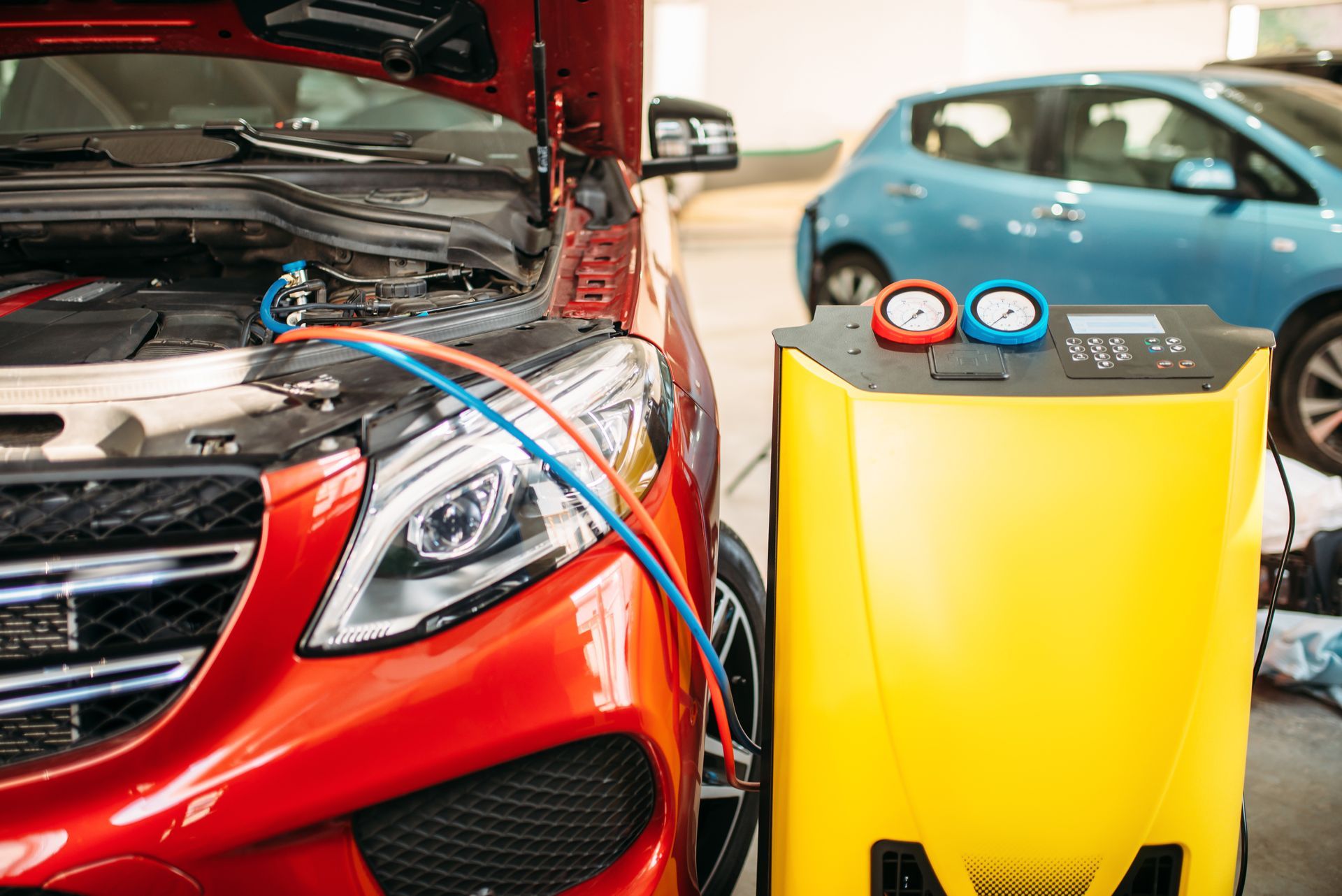
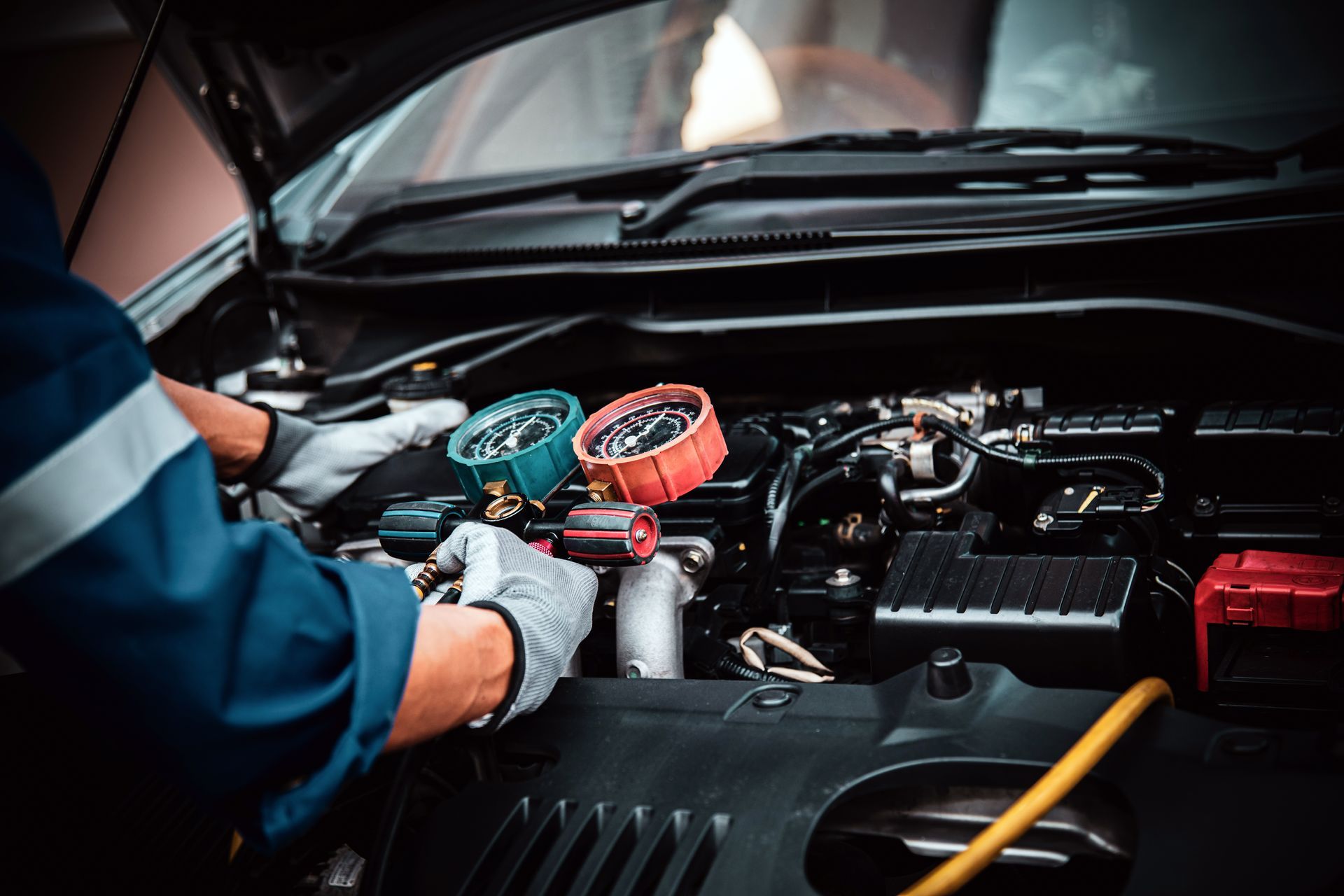
A voltage reading taken while the car is parked doesn't describe every aspect of battery performance. Testing should consider charge level, temperature, battery type, and the battery's ability to deliver starting power. A discharged battery may need appropriate charging before its condition can be assessed accurately.
The inspection should also consider the starter and charging system. A worn starter can draw excessive current, and a charging fault can leave a replacement battery undercharged. Some vehicles have charging controls that vary output with operating conditions, so one reading shouldn't be treated as a complete answer for every model.
Useful checks can include:
- Battery charge level and starting capability.
- Terminal, cable, and ground connection condition.
- Starter current draw and cranking performance.
- Charging-system operation under the appropriate conditions.
- Electrical use while parked if repeated discharge is reported.
The results help explain whether the vehicle needs a battery, a connection repair, or attention elsewhere in the electrical system.
A Frozen Or Damaged Battery Needs Extra Care
A deeply discharged lead-acid battery can be more vulnerable to freezing than a charged one. If the case is swollen, cracked, leaking, or suspected to be frozen, don't attempt to jump-start or charge it. Arrange professional assistance and follow the vehicle manufacturer's safety instructions.
For an ordinary jump-start, use the specified connection points and procedure. Vehicles vary, and some batteries are mounted away from the engine compartment. A successful jump gets you moving, but it doesn't explain why the battery couldn't start the car. Have repeated starting trouble checked rather than relying on another jump every morning.
The Replacement Battery Must Suit The Vehicle
Matching the case size is only part of choosing a battery. The required capacity, terminal arrangement, and battery technology must also match the vehicle. Cars with stop-start equipment may require an AGM or other specified design, and some vehicles need a battery-management reset or registration after replacement.
Using an unsuitable battery can create charging or durability problems even if the engine starts at first. Ask which specification your vehicle requires and what installation steps apply. Keep the receipt and service date, but keep monitoring starting behavior; a new battery won't fix an unresolved electrical drain or cable fault.
Plan Battery Checks Before The Next Freezing Morning
If starting has already become hesitant, arrange an inspection before a colder overnight forecast. Describe how long the car sits, how far you normally drive, and whether the problem happens after every stop or only after an overnight park. Mention any recently installed accessories or electrical repairs.
These details help reproduce the conditions that caused the failure. Winter preparation doesn't require replacing every older battery automatically. It requires knowing whether the battery and the systems supporting it can meet the demand your car places on them, with enough time to address a weakness before it strands you.
Get Car Battery Service In Oakville And Mississauga, ON
MechaniQ in Oakville and Mississauga, ON, can check cold-weather starting trouble, battery condition, and related electrical concerns. We can explain the test results and whether your car needs charging, battery replacement, or a repair elsewhere in the starting system.
Contact us to schedule a battery and starting-system inspection before the next cold morning.